
Pressure Sprayers / Dipping Tanks
Description
Pressure Sprayers / Dipping Tanks: Penetrant Application in LPI/PT
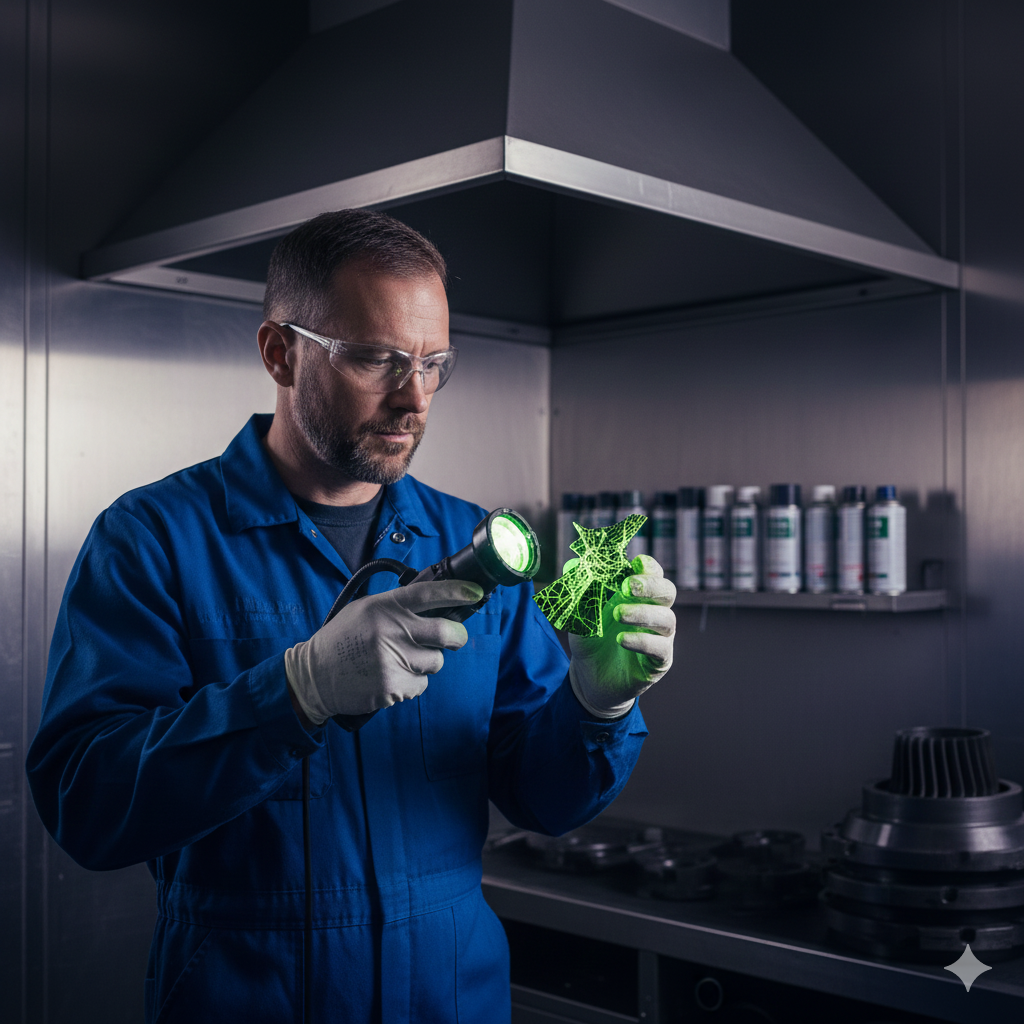
Pressure Sprayers and Dipping Tanks are two primary methods used for applying penetrant materials to components during Liquid Penetrant Inspection (LPI/PT). The choice between them depends on factors such as component size, shape, volume of parts, and the type of penetrant system being used.
1. Pressure Sprayers
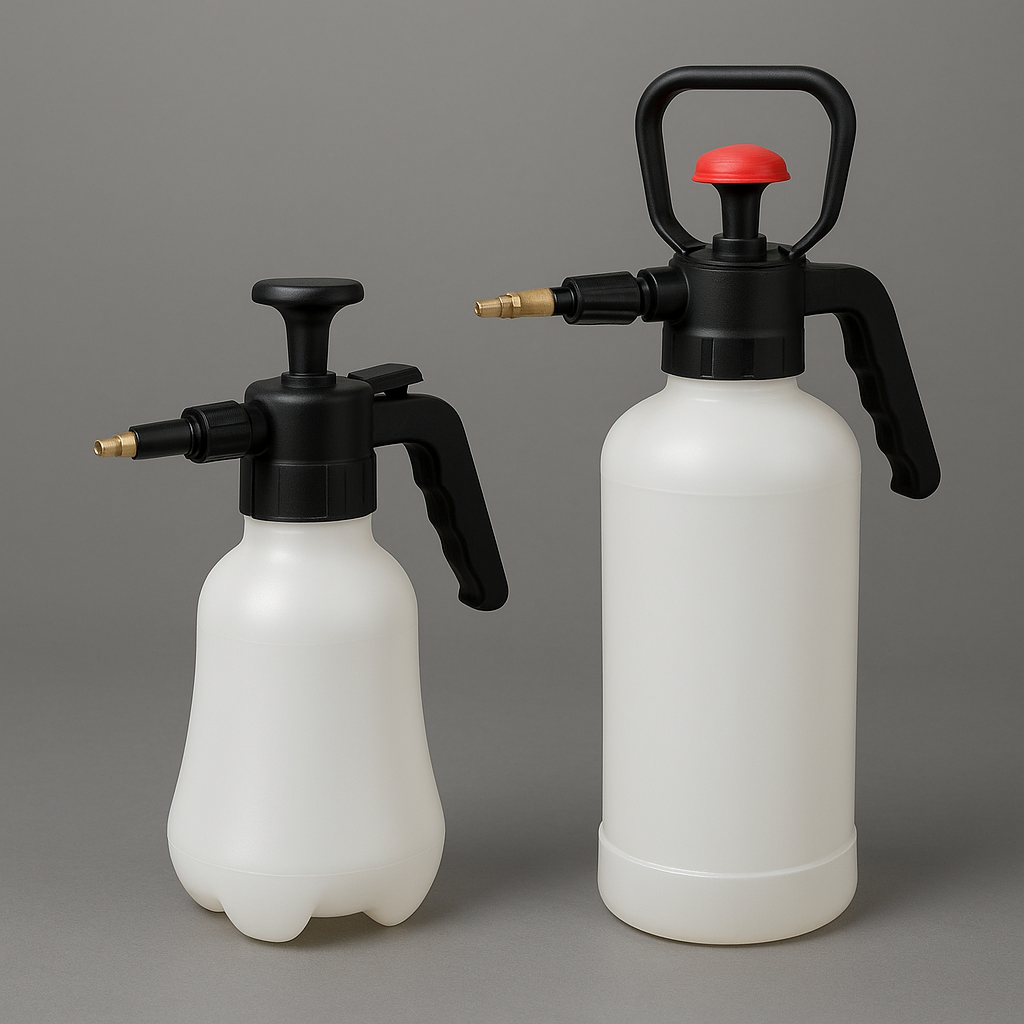
Pressure sprayers are versatile tools for applying penetrant, especially suitable for larger, irregularly shaped components, or for lower-volume operations.
-
Design: These can range from simple handheld pump sprayers (similar to garden sprayers) to more sophisticated air-assisted spray guns or electrostatic sprayers used in production lines.
-
Application: The penetrant is atomized and directed onto the component surface, ensuring complete coverage.
-
Advantages:
-
Flexibility: Ideal for components that are too large or awkwardly shaped for dipping.
-
Portability: Handheld units are easily portable for on-site inspections.
-
Reduced Waste: Electrostatic sprayers can reduce penetrant consumption by ensuring more penetrant adheres to the part and less overspray.
-
-
Considerations: Requires good ventilation to manage aerosols, and careful technique is needed to ensure uniform coverage without excessive runoff.
2. Dipping Tanks
Dipping tanks are typically used in high-volume, production line environments for smaller to medium-sized components, particularly in Fluorescent Penetrant Inspection (FPI).
-
Design: A tank (often stainless steel) filled with the penetrant material. Components are submerged into the tank.
-
Application: Components are immersed in the penetrant for a specified dwell time, ensuring the penetrant has sufficient time to seep into any surface-breaking flaws.
Advantages:
-
Uniform Coverage: Ensures $100\%$ coverage of all surfaces, including complex internal geometries (if the part is fully submerged).
-
High Throughput: Ideal for batch processing of many parts simultaneously.
-
Reduced Labor: Once components are loaded into baskets or onto conveyors, the process can be highly automated.
-
Considerations:
-
Volume: Requires a significant volume of penetrant.
-
Contamination Control: The penetrant in the tank must be regularly checked for contamination to maintain its effectiveness.
-
Component Size: Limited by the tank dimensions.
-
Both pressure sprayers and dipping tanks are crucial for the initial step of LPI, ensuring the penetrant effectively enters any surface-breaking discontinuities.

Reviews
There are no reviews yet.