

MAGNETIC PARTICLE TESTING
Description
Magnetic Particle Testing (MPT)
Magnetic Particle Testing (MPT), also known as Magnetic Particle Inspection (MPI), is another highly effective non-destructive testing (NDT) method used for detecting surface and slightly subsurface discontinuities in ferromagnetic materials. Unlike Ultrasonic Testing, which uses sound waves, MPT relies on magnetic fields and finely divided ferromagnetic particles to reveal flaws. It’s a relatively simple, quick, and cost-effective technique, making it a popular choice for inspecting welds, castings, forgings, and machined parts made of materials like iron, nickel, and cobalt alloys.
The Underlying Principle:
The fundamental principle of MPT is based on the concept of “flux leakage.” When a ferromagnetic material is magnetized, magnetic lines of force (flux lines) flow through it. If there is a discontinuity, such as a crack, pit, or inclusion, that lies perpendicular or at a significant angle to these flux lines, it will disrupt the smooth path of the magnetic field. This disruption causes some of the magnetic flux to leak out of the surface of the material, creating what is known as a “flux leakage field.”
How it Works:
The MPT process typically involves a few key steps:
-
Cleaning the Surface: The test surface must be relatively clean and free from loose scale, rust, grease, and paint to allow for proper magnetization and particle adhesion.
-
Applying a Magnetic Field: The ferromagnetic material is magnetized. This can be done in various ways, including:
-
Direct Magnetization: Passing an electric current directly through the part (e.g., using prods or a head shot). This creates a circular magnetic field.
-
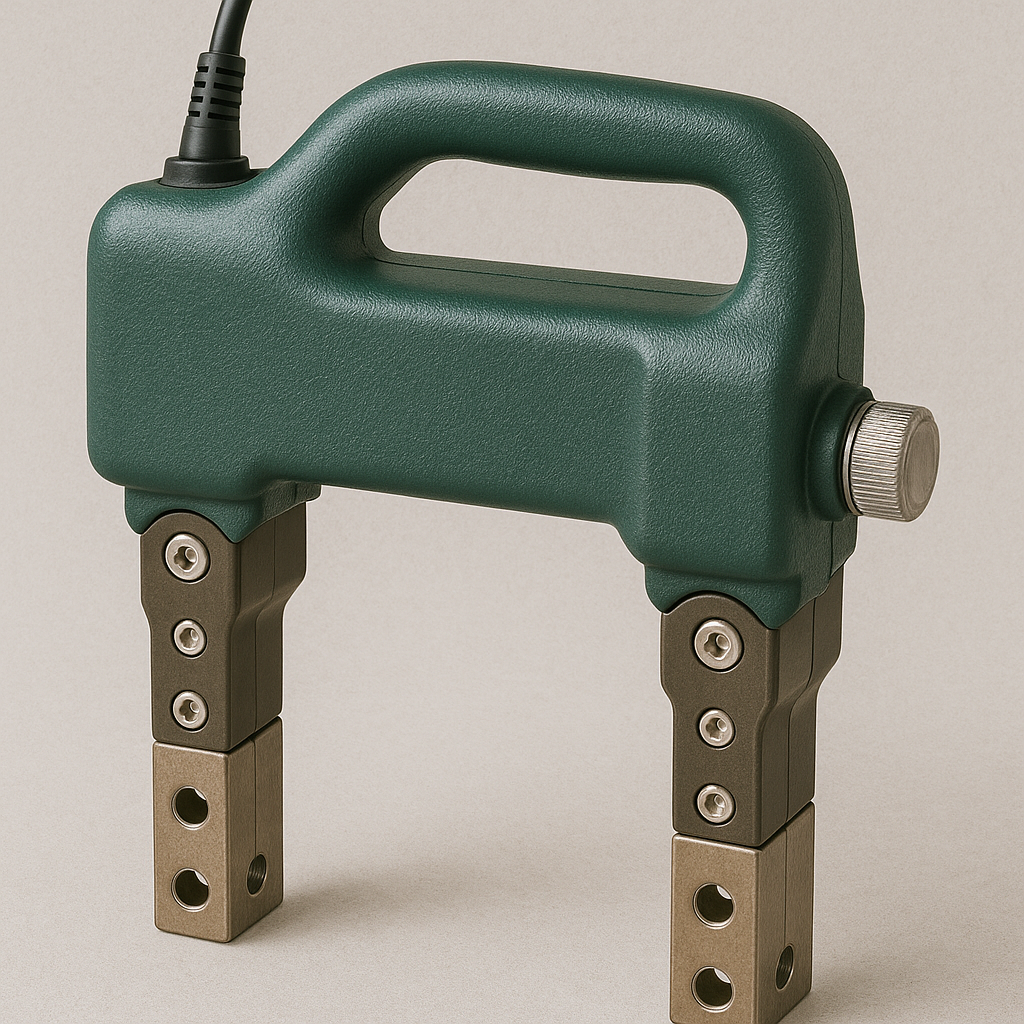
Indirect Magnetization: Using an external magnetic field, such as from a yoke (an electromagnet) or a coil. A yoke creates a longitudinal magnetic field, while a coil can induce both longitudinal and circular fields depending on the setup. The direction of the magnetic field is crucial, as MPT is most effective at detecting discontinuities oriented perpendicular to the flux lines. Therefore, to detect flaws in all orientations, two magnetizations at 90 degrees to each other are often required.
-
-
Applying Magnetic Particles: While the part is magnetized, fine ferromagnetic particles (either dry powder or suspended in a liquid carrier, often called “wet method”) are applied to the surface. These particles are typically colored (e.g., black, red, yellow) or fluorescent for enhanced visibility.
-
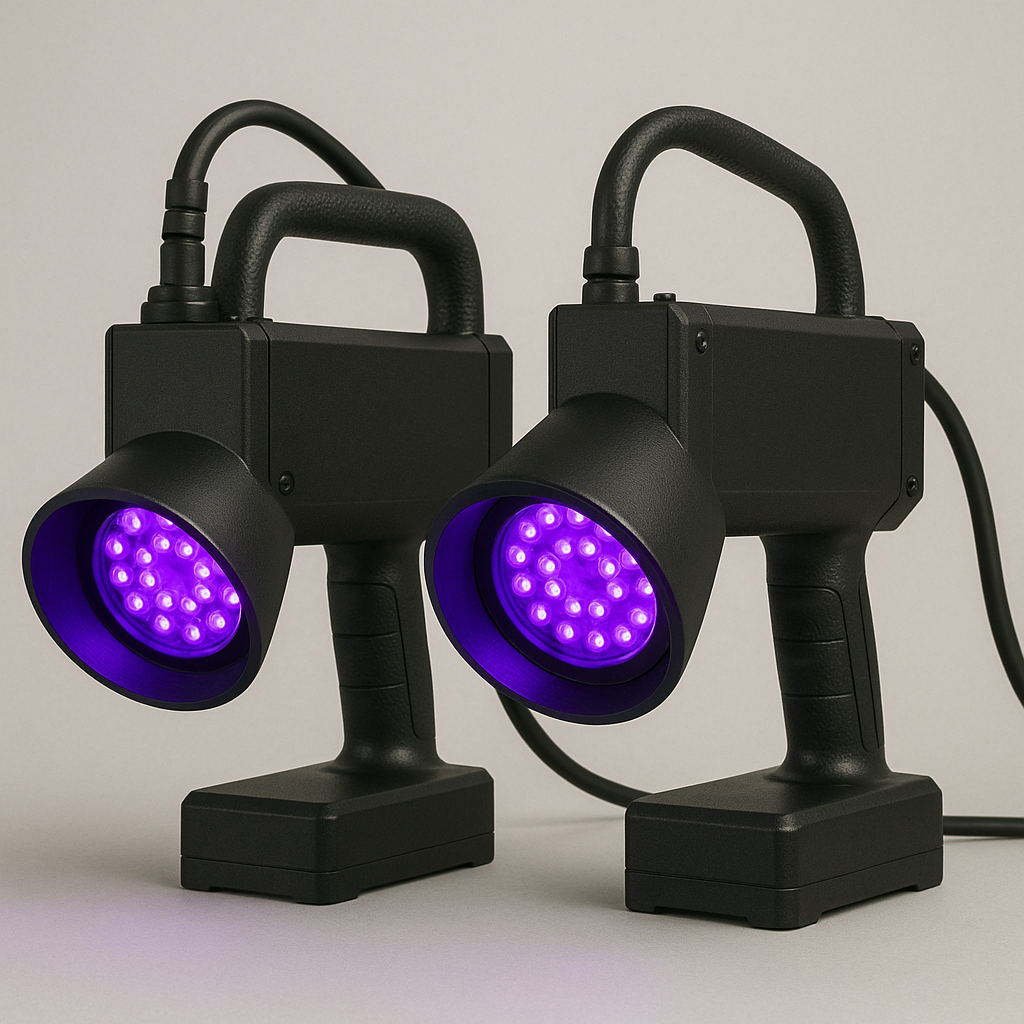
Particle Accumulation and Indication: If a flux leakage field is present due to a surface or near-surface discontinuity, the magnetic particles will be attracted to and accumulate along the edges of the flaw. This accumulation forms a visible “indication” that outlines the shape and location of the discontinuity. Fluorescent particles, viewed under ultraviolet (black) light, provide even greater sensitivity.
-
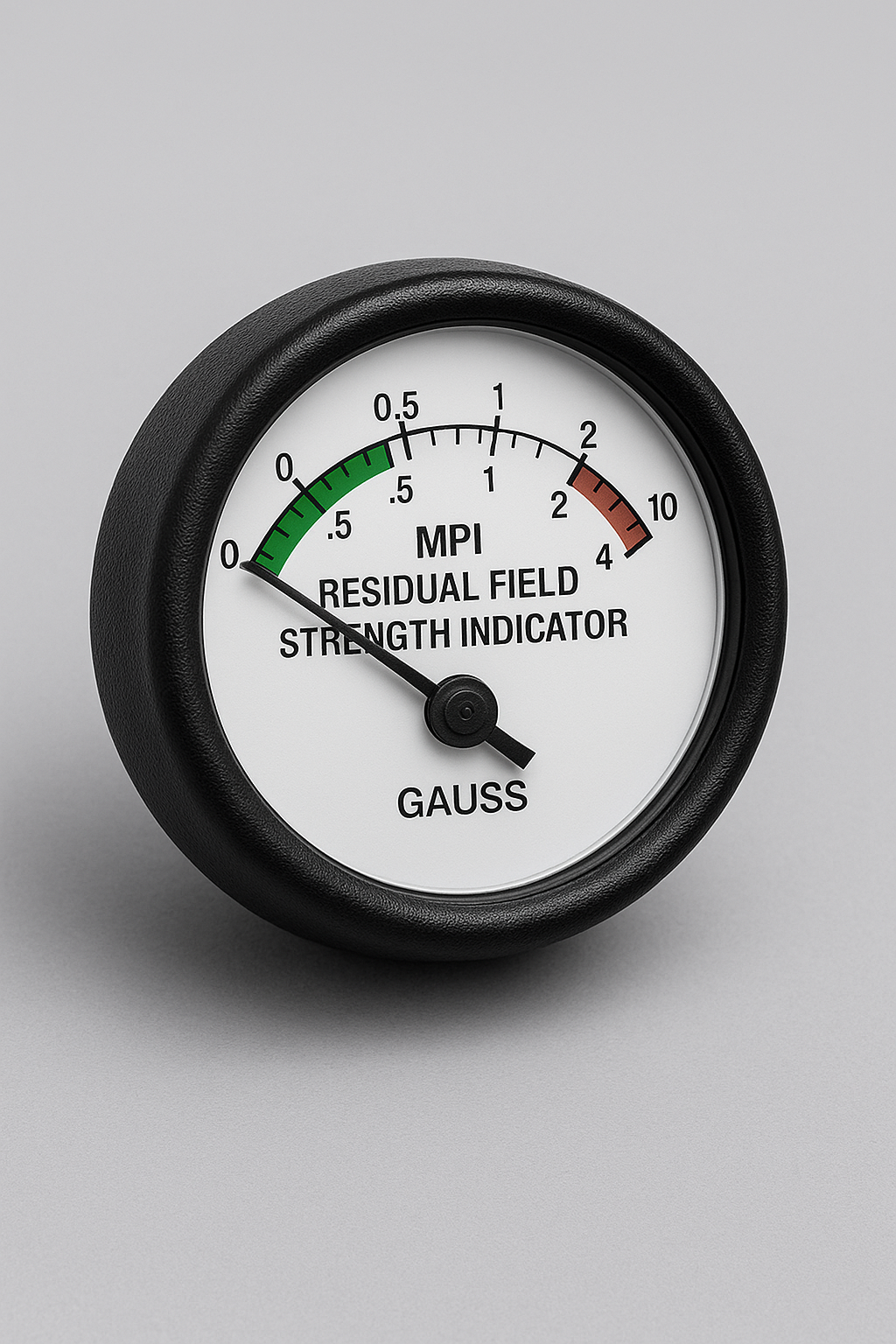
Inspection and Demagnetization: The indications are then visually inspected and interpreted by a trained technician. After inspection, the part is typically demagnetized to remove any residual magnetism, which could interfere with subsequent manufacturing processes or service life.
Advantages of Magnetic Particle Testing:
-
High Sensitivity: Excellent for detecting fine surface and slightly subsurface cracks and flaws.
-
Speed and Simplicity: Relatively fast and easy to perform, requiring minimal surface preparation compared to some other NDT methods.
-
Cost-Effective: Generally less expensive than many other NDT techniques.
-
Direct Indication: Produces easily visible indications of flaws.
-
Portable Equipment: Many MPT systems are highly portable, allowing for on-site inspections.
-
No Size Limitations: Can be used on parts ranging from very small to very large.


Reviews
There are no reviews yet.