
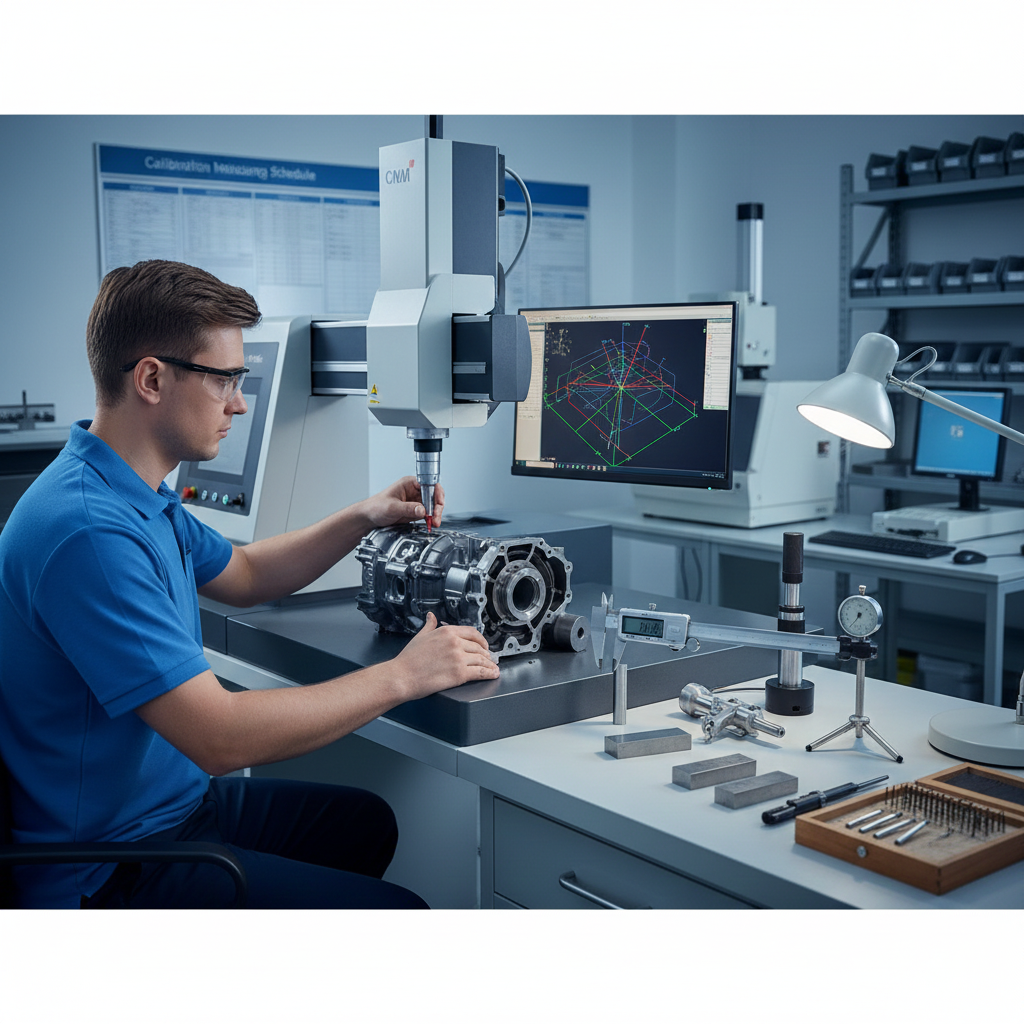
Dimensional Measuring Instruments
Description
Dimensional Measuring Instruments are essential tools used to quantify the physical size, shape, form, and orientation of objects, ensuring that manufactured parts meet specified design tolerances. This field of study is known as dimensional metrology.
Measurements can generally be categorized as:
-
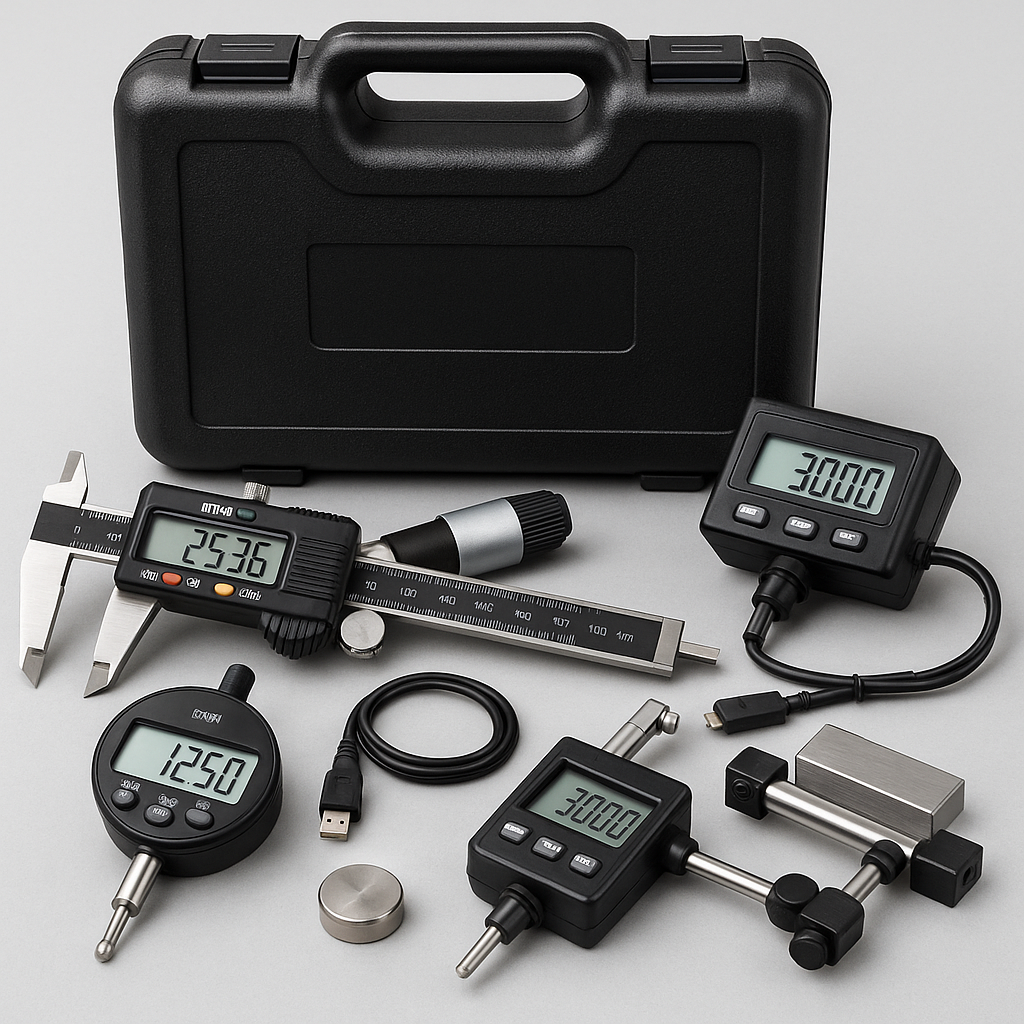
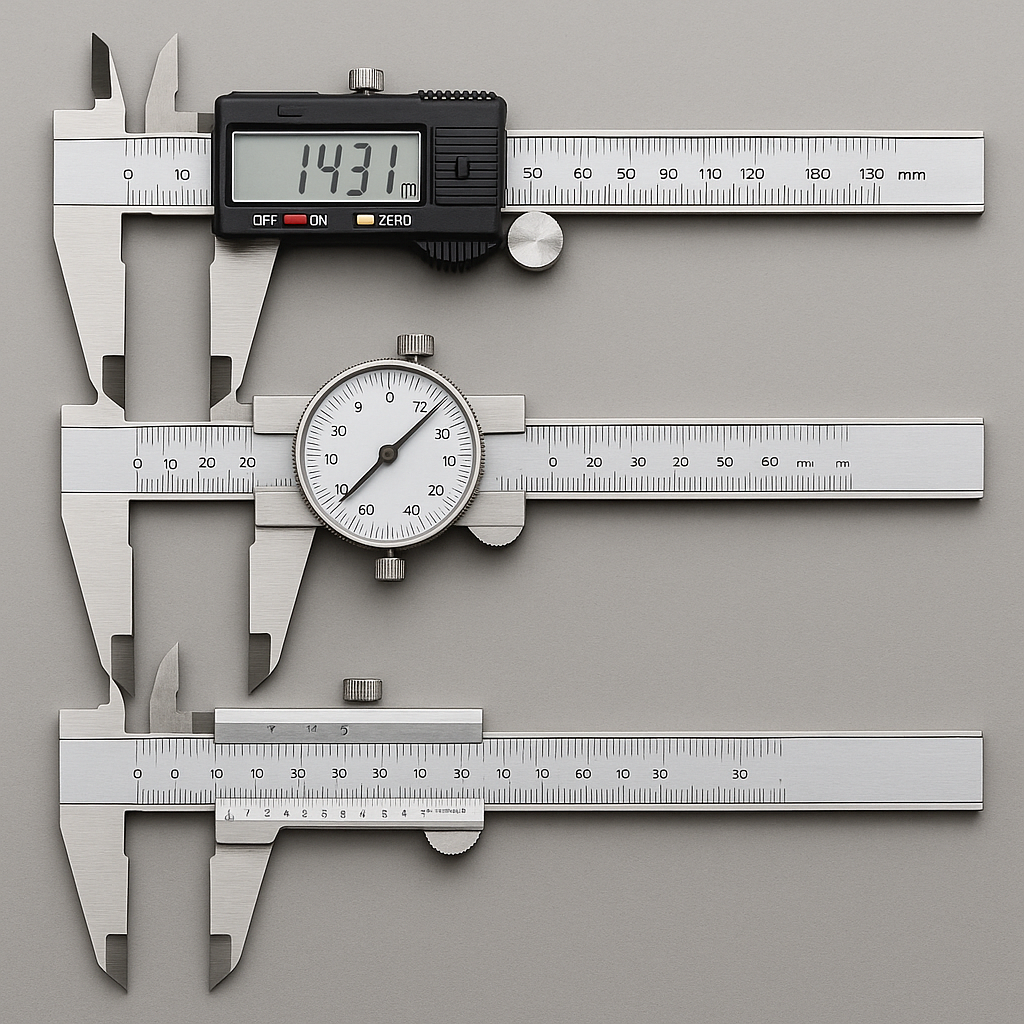
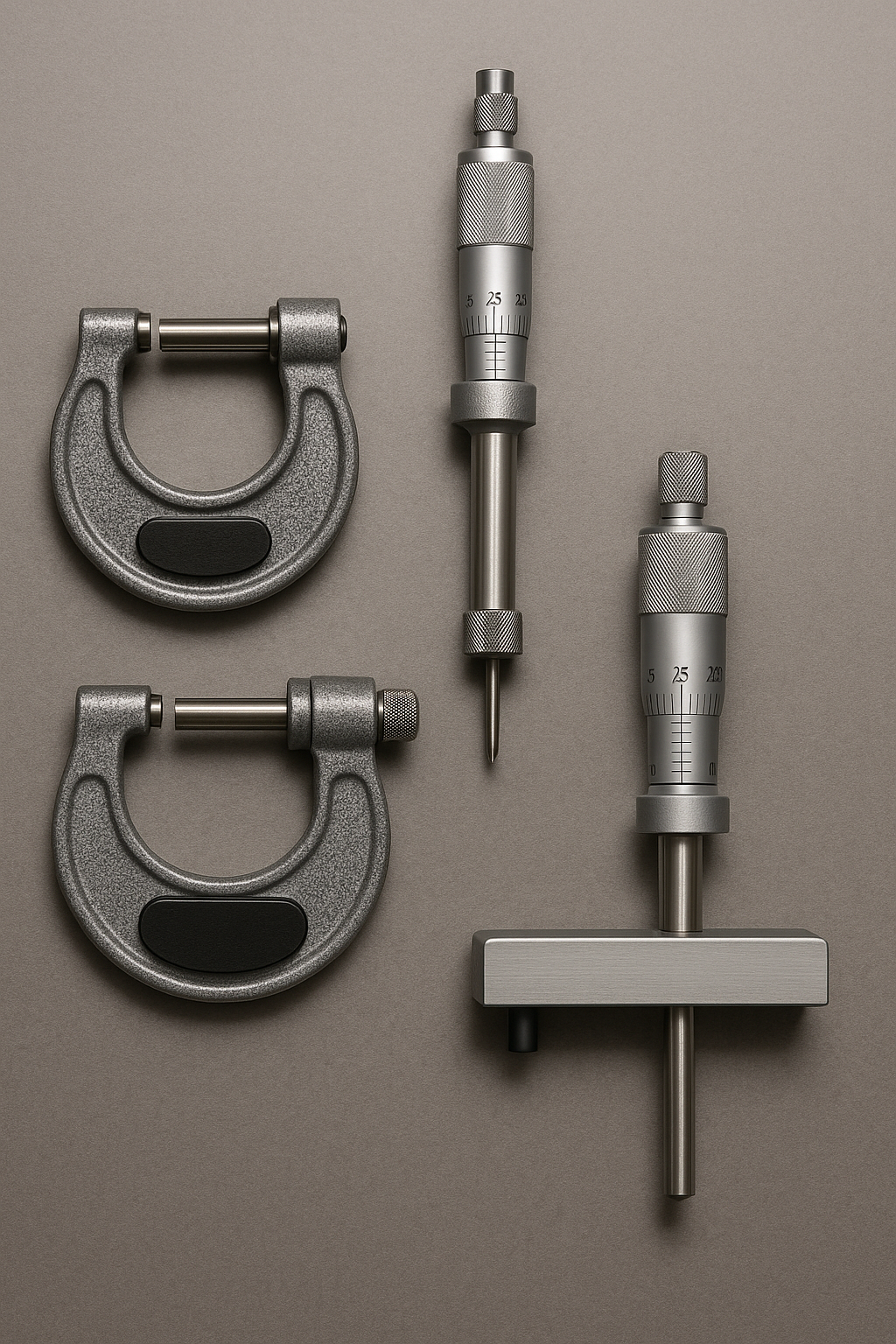
Direct Measurement: The instrument has a calibrated scale and provides the measurement directly (e.g., Vernier caliper, micrometer).
-
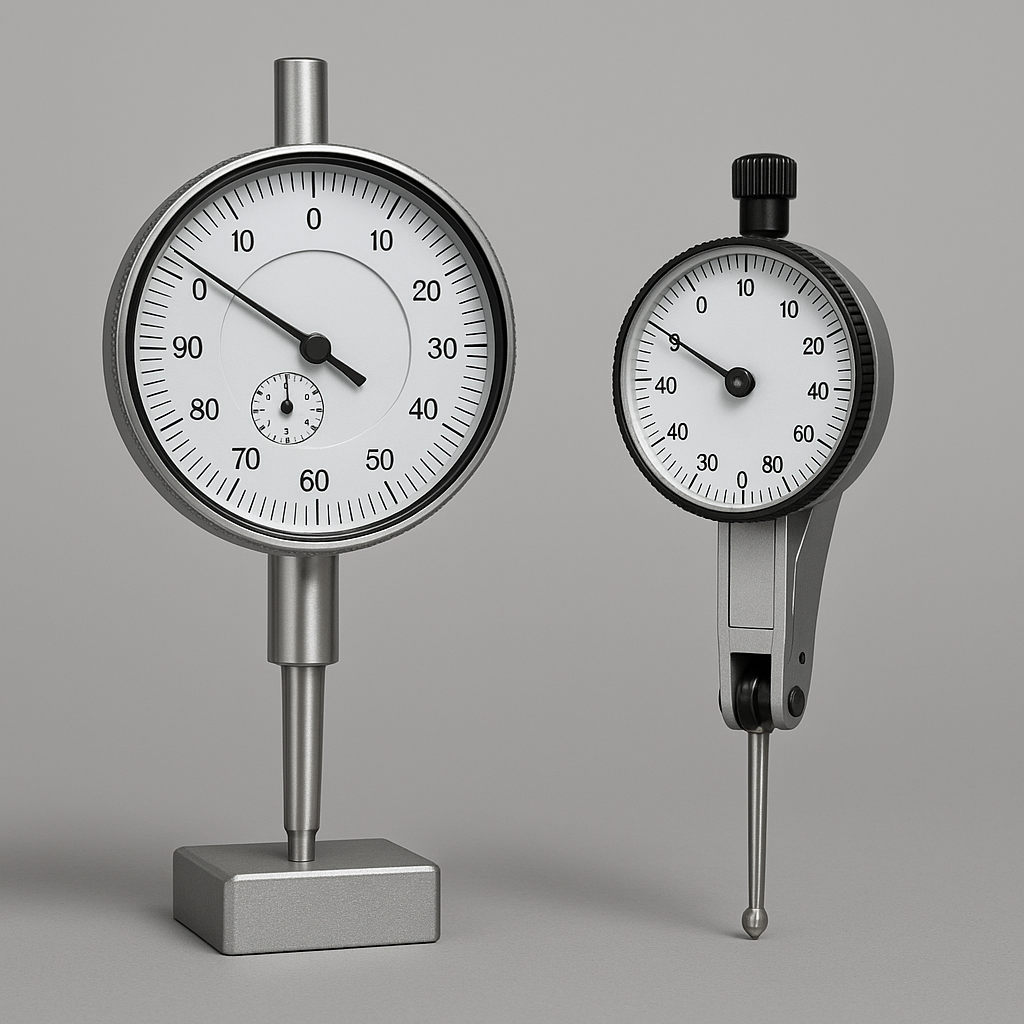
Indirect/Comparative Measurement: The instrument compares the dimension of the workpiece to a known standard or master (e.g., dial indicator, some fixed gauges).
Gauges and Comparators
These tools are often used for quick checks or to measure specific features.
-
Feeler Gauge: A set of thin steel blades of known, precise thicknesses, used to measure very small gaps or clearances (e.g., spark plug gaps).
-
Radius Gauge: A set of blades with convex and concave profiles used to check the radius of curvature of a part.
-
Fixed Gages (e.g., Go/No-Go Gages): Tools designed to check if a feature (like a hole diameter or thread) is within the acceptable tolerance limits. They do not provide a specific measurement but offer a quick attribute check (pass or fail).
-
Gage Blocks (Slip Gauges): Precision-machined metal or ceramic blocks used as the master standards for calibrating other measuring instruments or for building up precise lengths.

Reviews
There are no reviews yet.