
Penetrant Materials & Consumables
Assured
Returns
Enquiry
Support
Penetrant Materials & Consumables: The Chemicals of Liquid Penetrant Inspection (LPI)
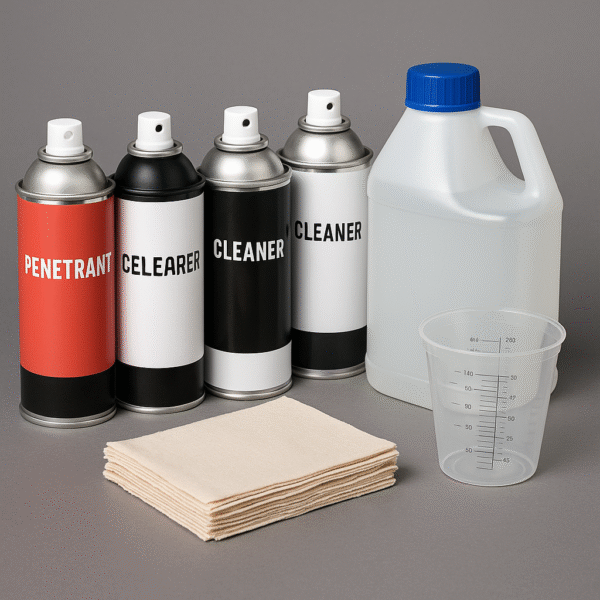
Penetrant Materials & Consumables are the specialized chemicals that are the core ingredients of the Liquid Penetrant Inspection (LPI) process, also known as Penetrant Testing (PT) or Dye Penetrant Testing (DPT). These materials are classified based on the type of dye used (Fluorescent or Visible) and the method used to remove excess penetrant.
1. Penetrants
The penetrant is the primary chemical that seeps into surface-breaking flaws via capillary action. They are classified by their sensitivity (Level 1/Low to Level 4/Ultra-High) and their removal method:
-
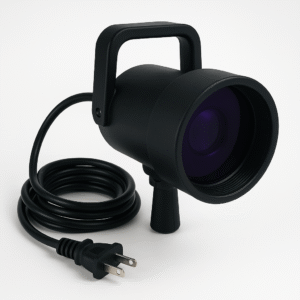
Type 1: Fluorescent Penetrants: Contain a dye that glows brightly under UV-A (black) light. Used for high-sensitivity inspections.
-
Type 2: Visible Penetrants: Contain a dark red dye visible under white light. Used for general-purpose inspections.
-
Method A (Water-Washable): Removed from the surface using only a water rinse. Quick and cost-effective, but riskier for washing penetrant out of defects.
-
Method B (Post-Emulsifiable, Lipophilic): Requires an oil-based emulsifier applied after the penetrant to make the penetrant water-washable for removal. Offers high control.
-
Method C (Solvent-Removable): Removed using a solvent or cleaner spray and a lint-free cloth. Ideal for portable field kits and spot checks.
-
Method D (Post-Emulsifiable, Hydrophilic): Requires a water-based emulsifier (diluted in water) to make the penetrant removable with a water spray. Offers excellent control and reduced waste.
2. Removers and Emulsifiers
These chemicals facilitate the removal of excess penetrant from the surface, ensuring that only the penetrant in the flaw remains.
-
Solvents/Cleaners (for Method C): Non-aqueous liquids used to wipe the surface clean. Must be applied gently to avoid removing the flaw penetrant.
-
Emulsifiers (for Methods B & D): Oil-based (lipophilic) or water-based (hydrophilic) chemical agents that react with the penetrant to make it easily rinseable with water. Emulsification time is critical and must be strictly controlled.
3. Developers
The developer is applied after the surface is fully clean and dry. It performs two key functions:
-
Blotting Action: It acts like a blotter, drawing the penetrant out of the flaw via capillary action.
-
Contrast: It provides a light, uniform background (usually white) to maximize the contrast between the surface and the indication.
Developers come in several forms, each used with specific removal methods:
-
Dry Powder: Applied as a fine, white dust. Used typically with Method B/D.
-
Aqueous (Water-Based): Applied as a water suspension/solution before drying.
-
Non-Aqueous (Solvent-Based): The developer is suspended in a volatile solvent. It is highly effective and often supplied in aerosol cans (common with Method C).
No Reviews Yet
Be the first to share your experience with this product.
Get a Quote for Penetrant Materials & Consumables
Our NDT specialists will respond within 24 hours with pricing, specifications, and lead times. For urgent requirements, reach us directly via WhatsApp or phone.